Corporate Intelligence Dashboard: 4125433109, 4125478584, 4125577457, 4127631095, 4142041326, 4142401175

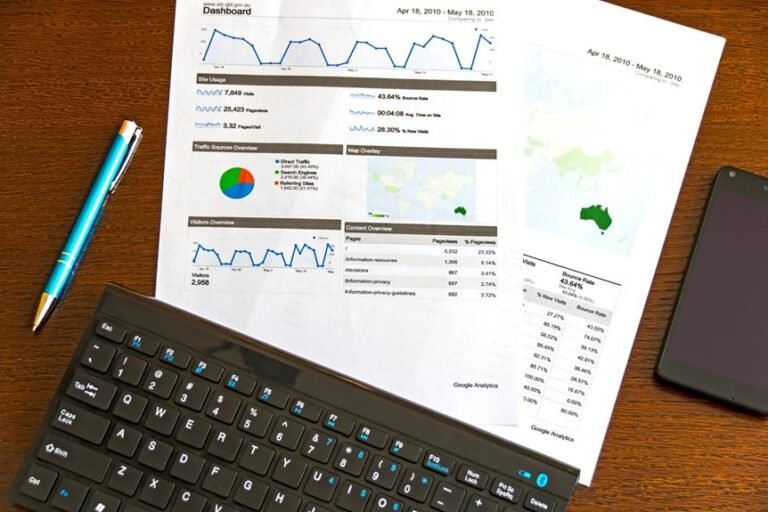
The Corporate Intelligence Dashboard consolidates critical data from multiple sources, including 4125433109 and others. This integration enables organizations to analyze real-time information effectively. By employing visual analytics, businesses can swiftly interpret complex datasets, enhancing decision-making capabilities. The implications of this technology extend beyond mere efficiency; they suggest a shift towards a more data-centric approach in strategic planning. However, the extent of its impact on competitive advantage remains to be explored further.
The Importance of Real-Time Data in Business
In today’s fast-paced business environment, real-time data serves as a critical asset that informs decision-making processes.
Real-time analytics enables organizations to respond swiftly to market changes, enhancing competitive advantage.
Coupled with effective data visualization, these insights allow stakeholders to grasp complex information intuitively, fostering informed strategies.
Thus, leveraging real-time data not only empowers businesses but also nurtures a culture of agile innovation.
Key Features of a Corporate Intelligence Dashboard
While various factors contribute to the effectiveness of a corporate intelligence dashboard, several key features stand out as essential for maximizing its utility.
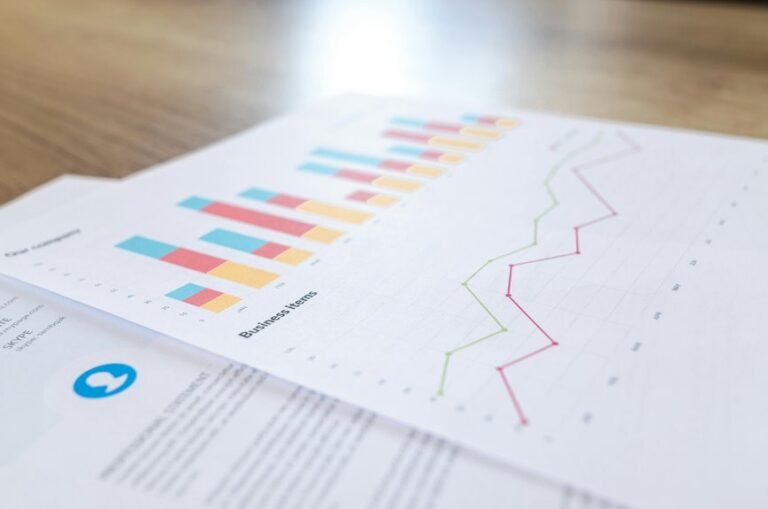
Visual analytics enables users to interpret complex data visually, facilitating quicker insights.
Additionally, user customization allows individuals to tailor the dashboard to their specific needs, promoting engagement and ensuring that critical information is easily accessible and actionable.
Leveraging Data for Strategic Decision-Making
Effective utilization of a corporate intelligence dashboard extends beyond mere data visualization; it plays a pivotal role in strategic decision-making.
By harnessing predictive analytics, organizations can anticipate market trends and consumer behavior, enabling informed actions. This data-driven approach empowers decision-makers to leverage insights effectively, fostering agility and responsiveness in a dynamic business environment.
Ultimately, this enhances competitive advantage and operational efficiency.
Conclusion
In conclusion, the Corporate Intelligence Dashboard exemplifies the critical role of real-time data in shaping contemporary business strategies. By integrating diverse data sources, it not only streamlines operations but also empowers organizations to make informed decisions swiftly. As businesses navigate an increasingly volatile market, one must ask: how can any company afford to ignore the insights that a robust dashboard provides? Embracing such tools is essential for maintaining a competitive edge and fostering resilience in an ever-evolving landscape.